














The nutrition landscape continuously evolves, emphasizing the importance of understanding how different foods impact our bodies. One crucial concept that has gained prominence is the Glycemic Index (GI), a tool designed to measure the effect of carbohydrates on blood sugar levels. For many, navigating the complexities of dietary decisions becomes more manageable with a thorough understanding of GI. This article explores the Glycemic Index, its health implications, and how to incorporate low-GI foods into your diet for better health outcomes.
What is the Glycemic Index?
The Glycemic Index is a numerical system that ranks carbohydrates based on their impact on blood glucose levels. Foods are scored on a scale from 0 to 100, with pure glucose assigned a value of 100. Foods with a high GI are quickly digested and absorbed, causing rapid spikes in blood sugar levels. In contrast, low-GI foods are digested more slowly, gradually increasing blood sugar and insulin levels.
Understanding the Glycemic Index is crucial for anyone looking to manage their blood sugar levels effectively, particularly individuals with diabetes. However, the benefits extend beyond glucose management to weight control and overall health.
The Science Behind Glycemic Index
To determine a food's GI, researchers give a group of individuals a portion containing a fixed amount of carbohydrates, typically 50 grams. On another day, the same participants consume a control food, such as white bread or glucose. Blood sugar levels are then measured at regular intervals for both foods. The GI is calculated by comparing the area under the blood sugar response curve for the test food to that of the control food.
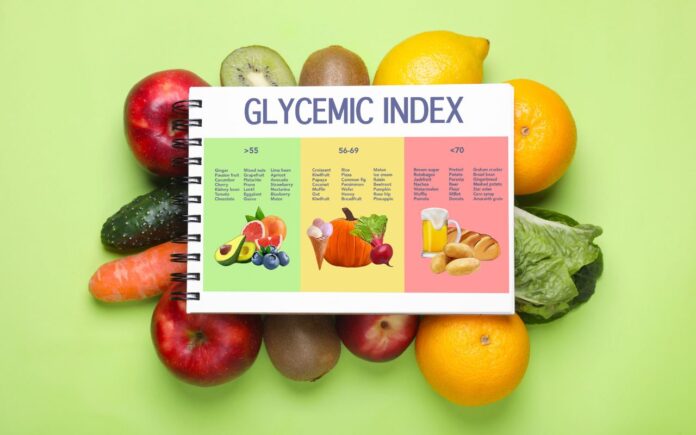
The resulting value helps rank foods into three categories:
- Low GI foods: 55 or less
- Medium GI foods: 56 to 69
- High GI foods: 70 or above
Factors Affecting the Glycemic Index
Several factors can influence the GI of a food. The ripeness of fruits, the type of processing, cooking methods, and the combination of foods consumed in a meal all play significant roles. For instance, ripe bananas have a higher GI than less ripe bananas. Processing typically raises the GI; fruit juices have a higher GI than whole fruits. Cooking methods also matter; pasta cooked al dente has a lower GI than soft-cooked pasta.
Benefits of a Low Glycemic Index Diet
Improved Blood Sugar Management
One of the primary benefits of a low-GI diet is improved blood sugar regulation. For individuals with diabetes, managing blood glucose levels is vital in preventing complica
tions such as nerve damage, cardiovascular disease, and kidney issues. Choosing low-GI foods can help achieve tighter control over blood sugar levels, reducing the frequency and severity of spikes.
Weight Management
Research indicates that low-GI diets may aid in weight loss and long-term weight management. High-GI foods can cause rapid increases and subsequent drops in blood sugar levels, leading to hunger and overeating. In contrast, low-GI foods provide sustained energy, reducing the likelihood of overeating and aiding in weight control.
Reduced Risk of Cardiovascular Disease
Following a low-GI diet can also contribute to heart health. Studies have shown that lower GI diets can help reduce cholesterol levels and improve lipid profiles, lowering cardiovascular disease risk. Moreover, managing blood sugar levels and body weight can further decrease the risk of heart-related issues.
Better Digestive Health
Low-GI foods are often high in fiber, which is beneficial for digestive health. Fiber aids in maintaining regular bowel movements, reducing the risk of constipation and other digestive disorders. A high-fiber diet promotes a healthy gut microbiome, essential for overall health.
Practical Tips for Following a Low Glycemic Index Diet
Choose Whole Grains Over Refined Grains
Whole grains such as quinoa, barley, and oats have a lower GI than refined grains like
white bread or white rice. Incorporating whole grains into your diet not only helps maintain steady blood sugar levels but also provides essential nutrients like fiber, vitamins, and minerals.
Incorporate a Variety of Fruits and Vegetables
Not all fruits and vegetables have the same GI. Non-starchy vegetables such as carrots, spinach, and broccoli are excellent low-GI choices. Similarly, apples, berries, and cherries have lower GIs than sugary fruits like watermelon and pineapple. Balancing your intake of fruits and vegetables can help manage your blood sugar levels effectively.
Balance High-GI Foods with Low-GI Foods
You don't have to eliminate high-GI foods. Instead, balance them with low-GI foods to reduce the overall glycemic impact of your meals. For example, if you eat white rice (high GI), pair it with low-GI food like beans or lentils. This combination can help moderate the blood sugar response.
Pay Attention to Portion Sizes
Even low-GI foods can elevate blood sugar levels if consumed in large quantities. It is essential to monitor portion sizes and the overall carbohydrate content of your meals. Carbohydrate counting, in conjunction with choosing low-GI foods, can offer better control over blood sugar levels source.
Opt for High-Fiber Foods
Foods high in fiber generally have a lower glycemic index. Fiber slows down the digestion and absorption of carbohydrates, leading to more gradual increases in blood sugar levels. Legumes, whole grains, and many fruits and vegetables are excellent sources of dietary fiber source.
Dispelling Myths About the Glycemic Index
Misconception: High-GI Foods Are Bad for Everyone
One common misconception is that high-GI foods are universally bad. This isn’t necessarily true. While high-GI foods can cause quick spikes in blood sugar, they can also be beneficial in certain situations, such as post-exercise recovery when rapid glucose replenishment is needed. Moreover, some high-GI foods, like watermelons, are rich in vitamins and antioxidants.
Misconception: GI is the Only Factor to Consider
While the Glycemic Index is a valuable tool, it’s not the only factor to consider when choosing foods. The nutritional content, including vitamins, minerals, fiber, and protein, is crucial. For instance, a food with a low GI but high in unhealthy fats may not be ideal for overall health. Thus, it's essential to consider t
he holistic nutritional profile of food sources.
Misconception: GI Values Are Uniform
GI values can vary based on several factors, inc
luding the ripeness of the fruit, the type of processing, and cooking methods. Therefore, it’s important to understand that the GI of a particular food item may not be the same across all preparations and brands. Always consider these variations when planning your meals.
The Role of Personalized Nutrition
Recent research indicates that individual responses to foods can vary significantly. Factors such as genetics, lifestyle, and the gut microbiome influence how our bodies process different foods. Programs like ZOE offer personalized nutrition insights by analyzing blood sugar, blood fat responses, and gut microbiome compositions. This customized approach can provide tailored dietary recommendations to optimize health outcomes source.
Meal Planning with the Glycemic Index
Meal planning using the Glycemic Index involves selecting options that help maintain balanced blood sugar levels. Here are a few tips to create balanced, low-GI meals:
Breakfast
Start your day with a balanced breakfast that includes low-GI foods. Options such as steel-cut oats topped with berries, a slice of whole-grain bread with avocado, or a smoothie made with low-GI fruits and Greek yogurt are excellent choices to keep your blood sugar levels stable throughout the morning.
Lunch
For lunch, consider a salad made with various non-starchy vegetables, lean protein such as grilled chicken or tofu, and a small portion of quinoa or barley. Adding legumes like chickpeas or lentils can further enhance the nutritional value and keep the glycemic load low.
Dinner
Dinner can include options such as baked salmon with roasted vegetables and a serving of brown rice. Alternatively, a vegetable stir-fry with tofu and whole-grain noodles is another delicious and low-GI option. Incorporate a variety of colors and types of vegetables to maximize nutrient intake.
Snacks
Healthy snacks between meals can help maintain energy levels and prevent overeating. Low-GI snack options include a handful of nuts, apple slices with peanut butter, or carrot sticks with hummus. Incorporating protein and fiber in snacks helps sustain energy and keeps hunger at bay.
Conclusion
Understanding the Glycemic Index and incorporating low-GI foods into your diet can significantly improve blood sugar management, control weight, and promote overall health. By making conscious choices and balancing your meals, you can harness the benefits of a low-GI diet. Remember, while the Glycemic Index is an essential tool, it should be used with other nutritional considerations to create a balanced and healthy diet. You can enjoy flavorful meals while supporting your health goals with
the right approach.
For more information on the Glycemic Index and personalized nutrition, explore resources available on ZOE and MedlinePlus. Consider these insights a roadmap to
a healthier lifestyle through informed dietary choices.

