














Hypoglycemia, a condition characterized by abnormally low blood glucose levels, poses a significant health challenge for many individuals, particularly those with diabetes. This in-depth examination of hypoglycemia delves into its causes, symptoms, diagnosis, and management strategies, providing a valuable resource for patients and healthcare providers.
The human body relies on glucose as a vital energy source for all its functions. When blood glucose levels fall too low, hypoglycemia disrupts the body's ability to operate efficiently. This article aims to comprehensively cover the pertinent aspects of hypoglycemia, ensuring that readers understand how to manage and prevent this condition effectively.
What is Hypoglycemia?
Hypoglycemia, commonly known as low blood sugar, happens when blood glucose levels drop below the normal range, specifically below 70 milligrams per deciliter (mg/dL). While the body can usually regulate glucose levels through hormonal control, certain factors can lead to hypoglycemia, making it a frequent complication for people with diabetes and so
metimes affecting those without diabetes as well.
Causes of Hypoglycemia
Several factors can contribute to hypoglycemia, with diabetes treatment being the primary cause. Individuals with diabetes often use insulin or other medications that increase insulin production to manage their blood sugar levels. However, these treatments can sometimes lower blood glucose too much, leading to hypoglycemia.
Other causes of hypoglycemia include:
- Skipping meals: Without enough food intake, the body lacks the necessary glucose to maintain healthy levels.
- Excessive alcohol consumption: Alcohol can interfere with the liver's ability to release glucose into the bloodstream, mainly if drinking occurs on an empty stomach.
- Intensive physical activity: Vigorous exercise without adequate food intake can deplete glucose stores, mainly if insulin or other glucose-lowering medications are used.
- Certain illnesses: Conditions like liver disease, kidney issues, and hormonal deficiencies can disrupt glucose regulation.
For a more detailed discussion of the causes of hypoglycemia, you can visit the Mayo Clinic.
Symptoms of Hypoglycemia
Recognizing the symptoms of hypoglycemia is crucial for prompt and effective treatment. Symptoms can be categorized into mild to moderate and severe, each presenting distinctive signs that necessitate different responses.
Mild-to-Moderate Symptoms
- Shakiness or jitteriness: One of the earliest signs occurs when the body signals the need for glucose.
- Sweating: Increased perspiration, particularly without physical exertion, can indicate low blood sugar.
- Hunger: A sudden, intense feeling of hunger can be a direct response to low glucose levels.
- Irritability or mood changes: Rapid fluctuations in mood or irritation can stem from hypoglycemia.
- Dizziness or lightheadedness: Feeling faint or confused may indicate that the brain isn't receiving enough glucose.
Severe Symptoms
- Confusion or inability to concentrate: Cognitive functions decline when blood sugar drops significantly.
- Seizures or loss of consciousness: These are dangerous and require immediate medical intervention.
- Visual disturbances: Blurred vision or difficulty seeing clearly can occur.
- Slurred speech: This symptom mimics intoxication but results from a glucose deficit.
The National Institute of Diabetes and Digestive and Kidney Diseases (NIDDK) offers extensive resources for more information about symptoms and their classification.
Diagnosing Hypoglycemia
Diagnosing hypoglycemia typically involves monitoring blood glucose levels and evaluating symptoms. Individuals who frequently experience symptoms should seek medical advice to confirm the diagnosis through the following methods:
Blood Glucose Tests
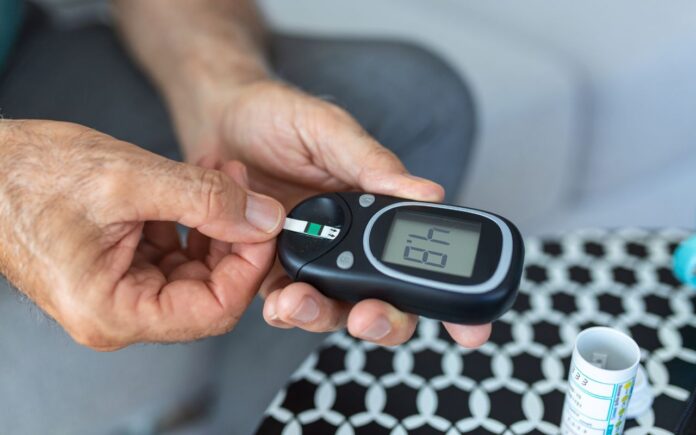
Regular blood glucose monitoring is essential for those at risk. Devices such as blood glucose meters and continuous glucose monitors (CGMs) provide accurate readings, helping detect hypoglycemia early.
Medical Evaluation
Healthcare providers may conduct a thorough examination, including a review of medical history, dietary habits, and medication usage, to identify underlying causes and risk factors.
Observational Tests
Sometimes, a healthcare provider might recommend a supervised test where the patient fasts or undergoes other controlled conditions to observe how their body responds to low blood sugar.
Managing Hypoglycemia
Effective management of hypoglycemia involves immediate treatment of low blood sugar episodes and long-term strategies to prevent recurrence. Below are crucial steps and recommendations:
Immediate Treatment
When hypoglycemia is detected, prompt treatment is vital to prevent severe complications. The following steps are recommended:
- Consume Fast-Acting Carbohydrates: Intaking 15 to 20 grams of fast-acting carbohydrates, such as glucose tablets, fruit juice, or regular soda, can quickly elevate blood sugar levels.
- Recheck Blood Sugar Levels: After 15 minutes, recheck blood glucose levels. If still low, consume another dose of fast
best online pharmacy with fast delivery hydroxychloroquine with the lowest prices today in the USA
-acting carbohydrates.
- Follow-Up with a Snack: Once levels stabilize, consume a snack containing carbohydrates and protein to maintain blood glucose levels.
Preventive Measures
Long-term management focuses on preventing hypoglycemia through careful planning and lifestyle modifications:
- Consistent Meal Schedule: Eating regular meals with balanced carbohydrates helps maintain stable blood sugar levels.
- Monitor Blood Glucose Regularly: Frequent testing, especially before and after meals and physical activity, enables better glucose management.
- Adjust Medications: Work with healthcare providers to adjust insulin or other medications as needed, particularly during changes in diet or activity levels.
- Educate Surroundings: Inform family, friends, and coworkers about hypoglycemia and how they can assist during an episode. Wearing a medical alert bracelet is also beneficial.
For more strategies on managing hypoglycemia, the Mayo Clinic provides insightful guidelines.
Special Considerations for Different Populations
Hypoglycemia management can vary across different populations, requiring tailored approaches for adequate control.
Children and Adolescents
Younger individuals with diabetes are particularly susceptible to hypoglycemia due to their active lifestyles and varying appetite. Parents and caregivers should ensure:
- Regular Meal and Snack Times: Consistency helps prevent unexpected drops in blood sugar.
- Education on Symptoms: Teaching children to recognize symptoms allows for quicker intervention.
- Adjustment of Insulin During Activities: Carefully monitor and adjust insulin dosages around physical activities.
Elderly
Older adults face unique challenges in managing hypoglycemia, often due to other health conditions and slower metabolism. Key considerations include:
- Regular Monitoring: Frequent blood glucose checks help avoid severe drops.
- Medication Review: Regularly review medications with healthcare providers to adjust dosages.
- Balanced Diet: Incorporate a balanced diet with adequate carbohydrates to prevent hypoglycemia.
Pregnant Women
Pregnancy can alter glucose metabolism, increasing the risk of hypoglycemia for women with diabetes. Management strategies involve:
- Frequent Blood Glucose Monitoring: Adjusting meal plans and insulin dosages based on regular glucose checks.
- Close Medical Supervision: Regular consultations with healthcare providers to adapt diabetes management plans during pregnancy.
- Healthy Eating Habits: Ensuring a balanced diet with enough carbohydrates to support mother and baby's needs.
Living with Hypoglycemia: Practical Tips
Living with hypoglycemia involves adopting practical strategies to manage the condition effectively while maintaining a high quality of life.
Diet and Nutrition
- Balanced Meals: Focus on complex carbohydrates, proteins, and healthy fats. Complex carbohydrates provide a longer-lasting energy source, reducing the risk of sudden blood sugar drop.
- Frequent Small Meals: Eating smaller, more frequent meals can help maintain consistent blood glucose levels throughout the day.
- Avoid Excessive Alcohol: Limit alcohol consumption and always combine it with food to prevent blood sugar from dropping too low.
Physical Activity
- Plan Exercise Carefully: Monitor blood glucose before, during, and after physical activity. Adjust insulin and carbohydrate intake based on activity levels.
- Stay Hydrated: Drink plenty of water, as dehydration can affect blood sugar levels.
- Carry Snacks: Always have a source of fast-acting carbohydrates, such as glucose tablets or snacks, readily available during physical activities.
Stress Management
- Mindfulness and Relaxation Techniques: Practices such as yoga, meditation, and deep breathing can help manage stress, which can impact blood sugar levels.
- Seek Support: Joining support groups or engaging with others with diabetes can provide emotional support and practical advice on managing hypoglycemia.
Future of Hypoglycemia Management
Advancements in technology and medical research continue to improve the management of hypoglycemia. Continuous glucose monitors (CGMs) have revolutionized glucose monitoring by providing real-time data and alerts for low blood sugar, enabling timely interventions.
Ongoing research focuses on developing more efficient insulin formulations and delivery methods, such as closed-loop systems that automate insulin delivery based on continuous glucose readings. These innovations hold promise for better glucose regulation and reduced risk of hypoglycemia.
Moreover, educational initiatives to increase awareness and understanding of hypoglycemia are crucial. By promoting knowledge about the condition, healthcare providers and patients can collaborate to develop more effective management strategies.
Conclusion
While challenging, hypoglycemia is manageable with the right knowledge, tools, and support. Understanding the causes, recognizing the symptoms, and implementing effective management strategies are key to preventing and controlling low blood sugar episodes. As advancements in medical technology and research continue, the future looks promising for improved management of hypoglycemia, offering hope and optimism for individuals affected by this condition.

