










Living with diabetes requires a vigilant approach to managing one's health, especially when it comes to blood sugar levels. Ensuring these levels remain within the recommended range reduces the risk of serious complications. Understanding how to monitor and interpret these levels is crucial for people with diabetes. This comprehensive guide will explore the various methods of blood sugar monitoring, the significance of these tests, and how they can help manage diabet
es.
Understanding Blood Sugar Levels
Blood sugar levels, or blood glucose levels, measure the amount of glucose in your blood. Glucose is a sugar from your food and drinks and serves as your body's primary energy source. In people without diabetes, the body regulates blood sugar levels efficiently. However, for those with diabetes, these levels can fluctuate dramatically, leading to either hyperglycemia (high blood sugar) or hypoglycemia (low blood sugar).
Why Monitoring Blood Sugar is Critical
Monitoring blood sugar levels is vital for anyone with diabetes. Regular checks help keep levels within a target range, preventing severe complications such as nerve damage, vision loss, and cardiovascular diseases. Knowing your blood sugar levels allows you to make informed decisions about diet, exercise, and medication, ultimately leading to better diabetes management.
Methods of Monitoring Blood Sugar Levels
There are several ways to monitor blood sugar levels, each with its own benefits and considerations. The primary methods inclu
de finger-prick testing, continuous glucose monitoring (CGM), and the HbA1c test.
Finger-Prick Testing
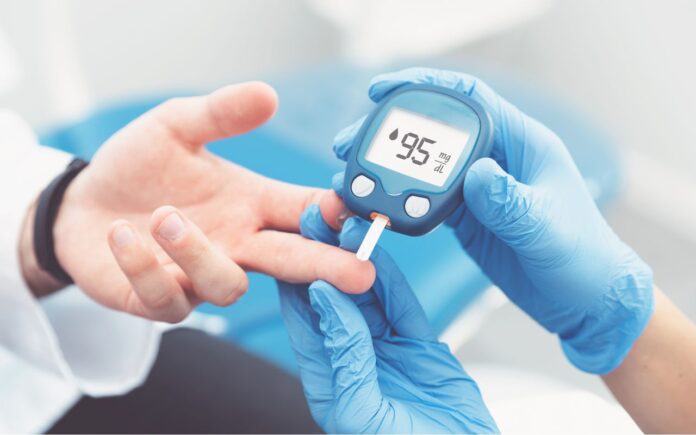
Finger-prick testing is one of the most common and accessible methods. This method provides a snapshot of your blood sugar level at a specific moment. It would be best to have a blood testing meter, finger-prick device, test strips, and a lancet to perform a finger-prick test. Here are the steps for a typical finger-prick test:
- Wash your hands: Use soap and warm water to clean your hands.
- Prepare the device: Insert a new lancet into the finger-prick device and set it according to your skin thickness.
- Take a test strip: Slot the test strip into the meter.
- Prick your finger: Choose a finger, insert the device into the side, and press the plunger to get a blood drop.
- Apply the blood to the strip: Hold the meter’s test strip against the drop of blood; the meter will beep when it’s ready.
- Read the result: Review the reading and record it for future reference.
For detailed instructions and visual aids, the Diabetes UK guide is an excellent resource.
Continuous Glucose Monitoring (CGM)
Continuous Glucose Monitoring systems provide real-time data on blood sugar levels. A small sensor inserted under the skin continuously measures glucose levels in the fluid between your cells. This method provides a comprehensive picture of how different activities impact your blood sugar throughout the day and night. CGM systems can alert you to high or low levels before they become critical, offering a proactive approach to diabetes management.
Recent advancements in CGM technology have made these systems more accessible and user-friendly. Devices like the FreeStyle Libre provide a sensor that adheres to the skin and transmits data to a reader or smartphone app. The Mayo Clinic website has more information about CGM systems.
HbA1c Test
The HbA1c test measures your average blood sugar level over the past two to three months. Unlike daily monitoring, this test offers insight into your long-term glucose control. The American Diabetes Association recommends an HbA1c target of below 7% for most adults with diabetes. A healthcare provider typically conducts this test, an essential part of routine diabetes care.
Determining Your Target Range
Knowing your target blood sugar range is essential for effective diabetes management. These ranges can vary based on age, type of diabetes, and overall health. Below are the general target ranges for different groups:
- Children with Type 1 Diabetes:
- Before meals: 4 to 7 mmol/L
- After meals: 5 to 9 mmol/L
- Adults with Type 1 Diabetes:
- Before meals: 5 to 7 mmol/L
- After meals: 4 to 7 mmol/L
- After meals (90 minutes): 5 to 9 mmol/L
- Adults with Type 2 Diabetes:
- Before meals: 4 to 7 mmol/L
- Two hours after meals: Less than 8.5 mmol/L
- Pregnant Women with Diabetes:
- Fasting: Below 5.3 mmol/L
- One hour after meals: Below 7.8 mmol/L
- Two hours after meals: Below 6.4 mmol/L
It is crucial to consult with your healthcare team to establish a personalized target range. These discussions should consider your lifestyle and any medications you may be taking.
The Impact of High and Low Blood Sugar Levels
Managing blood sugar levels within the target range is crucial to avoid the adverse effects of hyperglycemia and hypoglycemia.
Hyperglycemia (High Blood Sugar)
Hyperglycemia occurs when blood sugar levels are above the target range. Symptoms include increased thirst, frequent urination, fatigue, and blurred vision. Chronic hyperglycemia can lead to serious health complications, such as neuropathy, retinopathy, and cardiovascular diseases. These conditi
ons arise because high glucose levels damage blood vessels and nerves over time.
Hypoglycemia (Low Blood Sugar)
Hypoglycemia occurs when blood sugar levels drop below the target range. Symptoms can include shakiness, sweating, confusion, irritability, and, in severe cases, loss of consciousness or seizures. Immediate treatment of hypoglycemia often involves consuming fast-acting carbohydrates, like glucose tablets, juice, or candy. Severe cases may require emergency medical intervention.
The Benefits of Routine Blood Sugar Checks
Regular monitoring of blood sugar levels offers numerous benefits. It helps you understand how food, physical activity, medication, and stress affect your glucose levels. By tracking these patterns, you and your healthcare team can make informed adjustments to your diabetes management plan.
Routine checks also help identify trends that might indicate the need for a change in treatment. For example, consistently high readings might suggest the need for an increased dosage of medication. Conversely, frequent lows might indicate a need to reduce medication or adjust meal timing.
Effective Diabetes Management Strategies
Managing diabetes effectively involves more than just monitoring blood sugar levels. It requires a comprehensive approach that includes diet, exercise, medication, and stress management.
Diet and Nutrition
A balanced diet plays a significant role in managing diabetes. Focus on consuming whole foods, including fruits, vegetables, lean proteins, and whole grains. Monitoring carbohydrate intake is particularly important, as carbohydrates directly impact blood sugar levels. Working with a dietitian can help you create a personalized meal plan that aligns with your blood sugar goals.
Physical Activity
Regular physical activity helps improve insulin sensitivity and lowers blood sugar levels. Aim for at least 150 minutes of moderate aerobic weekly activity, such as walking, swimming, or cycling. Resistance training is also beneficial and should be included at least twice weekly. Always consult your healthcare provider before starting a new exercise routine, especially if you’re on medication that affects blood sugar levels.
Medication
Adhering to your prescribed medication regimen is critical. Medications, such as insulin or oral diabetes drugs, help manage blood sugar levels. Regular communication with your healthcare provider ensures that your medication plan remains effective and adjusted to your needs.
Stress Management
Stress can significantly impact blood sugar levels. Techniques such as mindfulness, meditation, yoga, and deep breathing exercises can help manage stress. Incorporating these practices into your daily routine can lead to more stable blood sugar levels and better overall health.
Leveraging Technology in Diabetes Management
Advancements in technology have revolutionized diabetes management. From sophisticated CGM systems to smartphone apps that track and analyze blood sugar data, these tools provide critical support for managing diabetes.
Smartphone apps like MySugr and Glucose Buddy allow you to log your blood sugar readings, food intake, and physical activity. Many of these apps can generate reports you can share with your healthcare provider, ma
king it easier to analyze trends and make informed decisions.
Tips for Effective Blood Sugar Monitoring
To ensure accurate and effective blood sugar monitoring, consider the following tips:
- Consistency: Check your blood sugar levels daily to track patterns accurately.
- Record-Keeping: Keep a log of your readings, including notes on meals, physical activity, and stress levels.
- Education: Stay informed about diabetes management through reputable sources and continuous education.
- Support: Engage with support groups, either in-person or online, to share experiences and learn from others managing diabetes.
Conclusion
Managing diabetes through regular blood sugar monitoring is essential to staying healthy and preventing complications. By understanding the various monitoring methods, knowing your target ranges, and adopting a comprehensive management strategy, you can take control of your diabetes. Leveraging technology and staying informed will further enhance your ability to manage this condition effectively. Remember, consistency and proactive management are your best tools in living a healthy, vibrant life with diabetes. For additional support and resources, websites like Diabetes UK offer comprehensive information and guidance.

