















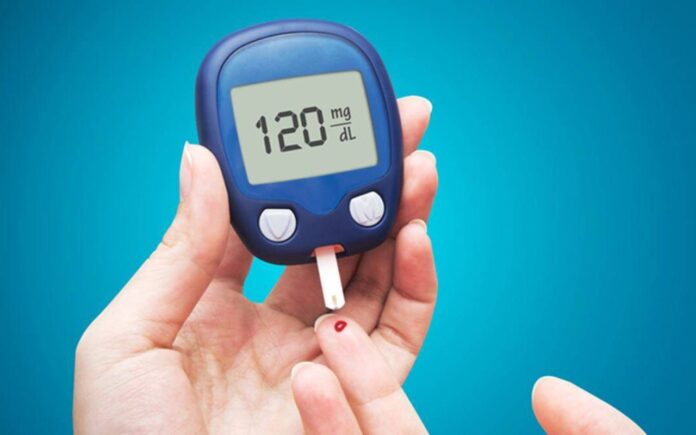

Managing blood sugar levels effectively is crucial for individuals with diabetes. It requires a multifaceted approach involving diet, exercise, medication, and lifestyle adjustments. Understanding how different factors influence blood sugar can help create a comprehensive management plan. This article delves into various strategies to maintain optimal blood sugar levels and improve overall health.
Understanding Carbohydrates and Blood Sugar
Carbohydrates significantly impact blood sugar levels. They are broken down into glucose, which is absorbed into the bloodstream. Monitoring and managing carbohydrate intake is essential for people with diabetes. It's not just the quantity but the type of carbohydrates that matter.
Glycemic Index and Glycemic Load: The glycemic index (GI) measures how quickly carbohydrate-containing foods raise blood sugar levels. Foods are ranked on a scale from 0 to 100, with higher values indicating faster absorption and a spike in blood sugar. However, GI alone doesn't provide a complete picture. Glycemic load (GL) considers the portion size and the GI value to more accurately represent how foods affect blood sugar. Low-GI foods (55 or lower) generally cause a slower and smaller increase in blood sugar, making them better choices for diabetes management.
High-GI Foods to Avoid: Foods high in refined carbohydrates, such as white bread, pasta, and rice, can lead to rapid spikes in blood sugar levels. These foods have had most of the
ir fiber removed during processing, reducing their nutritional value. Including more fiber-rich whole grains like whole-grain bread, brown rice, and quinoa can help regulate blood sugar levels more effectively.
Role of Fiber, Protein, and Fat
Fiber, protein, and fat are critical in moderating blood sugar levels. They can slow down glucose absorption and help maintain a stable blood sugar level.
Fiber: Dietary fiber, particularly soluble fiber, slows down the digestion and absorption of carbohydrates. It helps prevent rapid spikes in blood sugar levels and promotes a feeling of fullness, which can aid in weight management. Foods such as vegetables, fruits, whole grains, and legumes are excellent sources of fiber.
Protein and Fat: Including protein and healthy fats in meals can also help stabilize blood sugar levels by slowing the rat
e of carbohydrate absorption. Lean meats, fish, nuts, seeds, and avocados are good choices for adding protein and healthy fats to your diet.
Exercise and Blood Sugar Management
Regular physical activity benefits everyone, but it's especially important for people with diabetes. Exercise helps to lower blood sugar levels and increases insulin sensitivity, making it easier for your body to use glucose more effectively.
Types of Exercise: Aerobic exercises (such as walking, running, and swimming) and resistance training (like weight lifting) benefit blood sugar control. Aerobic activities can help lower blood sugar, while resistance exercises can enhance muscle mass, improving insulin sensitivity.
Exercise Precautions: When engaging in physical activity, it's essential to monitor blood sugar levels before, during, and after exercise to prevent hypoglycemia (low blood sugar). Carry a small snack, glucose tablets, or glucose gel to manage low blood sugar if needed quickly. Staying hydrated by drinking water or other non-sugary fluids during exercise is also crucial, as dehydration can affect blood sugar levels.
Medication and Insulin Management
For many people with diabetes, medication or insulin therapy is necessary to maintain blood sugar levels within a target range. The effectiveness of these treatments can depend on the timing and dosage.
Insulin Management: Proper storage and timing of insulin administration are crucial. Insulin should be stored away from extreme heat or cold and never frozen. Keeping it within its expiration date and appropriately handling it can maintain its efficacy.
Other Medications: Besides insulin, various oral and injectable medications can help manage blood sugar levels. These medications may work by increasing insulin sensitivity, stimulating insulin production, or reducing glucose absorption in the intestines. Always consult with a healthcare professional to adjust medication doses appropriately, especially when making significant lifestyle changes like increasing physical activity.
Alcohol Consumption and Diabetes
Alcohol can have unpredictable effects on blood sugar levels. Drinking alcohol can lead to low blood sugar shortly after consumption and for hours afterward, as the liver prioritizes processing alcohol over releasing stored glucose.
Recommendations for Alcohol Consumption:
- Get approval from your healthcare provider before consuming alcohol.
- Limit intake to one drink per day for women and two for men.
- Always consume alcohol with food to minimize the risk of hypoglycemia.
- Opt for lighter drinks, such as light beer and dry wines with fewer carbohydrates. When choosing mixed drinks, use sugar-free mixers like diet soda or seltzer.
The Impact of Hormones
Hormonal changes, especially in women, can affect blood sugar levels. The menstrual cycle and menopause can lead to fluctuations in hormone levels, which in turn impact blood sugar.
Managing Blood Sugar During Menstrual Cycle and Menopause:
- Keep a detailed record of blood sugar readings throughout the menstrual cycle to identify patterns and anticipate changes.
- Consult with healthcare professionals to adjust diet, exercise, and medication plans.
- During menopause, increased monitoring of blood sugar levels is recommended to distinguish between symptoms of menopause and hypoglycemia, as they can be similar.
Stress Management
Stress can significantly impact blood sugar levels. The hormones released during stress can cause blood sugar to rise and make it challenging to follow a diabetes management plan.
Strategies for Managing Stress:
- Incorporate relaxation techniques such as deep breathing exercises, meditation, or yoga into your daily routine.
- Ensure you get adequate s
paxil online in the best USA pharmacy spinaldecompression.net/wp-content/uploads/2024/02/jpg/paxil.html no prescription with fast delivery drugstore
leep and maintain a consistent sleep schedule.
- Seek support from friends, family, or a mental health professional if needed.
Diet Adjustments and Practical Tips
Managing diabetes involves more than counting carbs; strategic dietary choices can make a significant difference.
Balanced Meals: Aim to include a combination of protein, fiber, and healthy fats in every meal to help regulate blood sugar levels. Portion control is also crucial; even healthy foods can impact blood sugar if consumed in large quantities.
Healthy Snacking: Opt for snacks that are low in carbohydrates and high in fiber or protein, such as nuts, seeds, vegetables with hummus, or a small serving of Greek yogurt.
Avoid Sugary Drinks: Beverages high in sugar, such as sodas and fruit juices, can cause rapid spikes in blood sugar. Instead, choose water, unsweetened tea, or beverages with sugar-free alternatives.
Whole Grains: Incorporate entire grains like oats, barley, and millet into your diet. These grains are rich in fiber and have a lower glycemic index.
External Support and Education
Access to support and ongoing education is vital for managing diabetes effectively.
Support Groups and Resources: Joining a diabetes support group can provide emotional support and practical advice from others managing their blood sugar. Many online communities and organizations offer resources and support for people with diabetes.
Education Programs: Participating in diabetes education programs can help you stay inform
ed about the latest management strategies, technologies, and research.
Conclusion
Managing blood sugar levels for people with diabetes requires a comprehensive approach that includes dietary adjustments, regular physical activity, proper medication management, and attention to lifestyle factors like stress and alcohol consumption. By staying informed and proactive, individuals with diabetes can effectively control their blood sugar levels and improve their overall health and quality of life.

