















 Zithromax Resistance: Understanding Antibiotic Stewardship
How Overuse Encourages Drug-evading Bacterial Mutations
A single prescription once seemed harmless, but repeated exposure turns microscopic battles into selective arenas. Bacteria reproduce quickly, and each replication can produce mutations; those that survive an antibiotic gain advantage.
Over time these survivors dominate, creating populations less affected by drugs. What began as convenience becomes a factory for resistant strains, undermining future treatments and forcing clinicians to use stronger, costlier options.
Understanding this arc helps patients and prescribers choose restraint, complete recommended courses, and support stewardship programs that slow evolution and preserve effective medicines and reduce community spread.
Recognizing Signs of Macrolide Treatment Failure Early

A patient watches a cough linger beyond expectations, noting fever that refuses to fall and worsening fatigue despite taking prescribed zithromax as directed.
Alarm bells include persistent symptoms after 48 to 72 hours, shortness of breath, increasing pain or purulent discharge, and no clinical meaningful improvement.
Clinicians should reassess promptly, verify adherence, obtain cultures or rapid laboratory tests, and consider macrolide resistance early if symptoms persist or worsen.
If you feel ignored, promptly ask for follow-up, avoid stopping antibiotics without guidance, document changes, and discuss alternative therapies with your clinician.
Laboratory Tests That Confirm Resistant Infections Fast
Clinicians now rely on rapid molecular assays and point-of-care PCR to spot resistance markers within hours, guiding treatment away from ineffective drugs like zithromax. Culture with expedited susceptibility testing still confirms phenotypic resistance and MIC values, while whole-genome sequencing reveals specific resistance genes for outbreak tracing.
Fast diagnostics shrink the window between suspicion and action: targeted reports let prescribers switch therapy promptly, reduce broad-spectrum misuse, and improve outcomes. Integrating lab alerts with stewardship protocols ensures results change bedside decisions, limiting spread of resistant strains and preserving antibiotic effectiveness. Faster recovery.
Smart Prescribing: When to Say No to Antibiotics
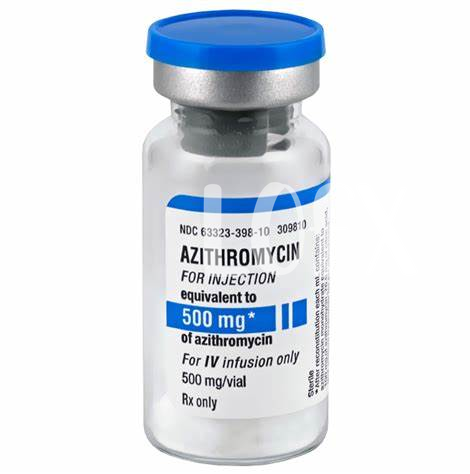
A clinician I once shadowed paused before prescribing zithromax for a cough. He said most acute bronchitis and viral infections resolve without antibiotics, and unnecessary prescriptions accelerate resistance while exposing patients to serious harms too.
Guideline-based decisions, rapid point-of-care tests, and watchful waiting are tools to avoid unnecessary antibiotics. Delayed prescriptions, triage, and clear follow-up instructions reassure patients while reducing immediate use of broad agents like zithromax and preventing harm.
Prescribers must weigh comorbidities, severity, allergy history, and local resistance patterns before choosing therapy. Narrow-spectrum agents and shortest effective courses protect future options; sometimes the correct answer is supportive care rather than prescribing antibiotics altogether.
Clear communication and shared decision-making turn refusal into partnership. Explain reasons, expected course, red flags, and when to return. Document discussions and safety-net advice; responsible refusals preserve effectiveness of drugs like zithromax for patients tomorrow.
Community Strategies to Limit Spread and Preserve Drugs
Neighbors shared stories of a clinic where doctors stopped prescribing zithromax for viral coughs, and suddenly fewer resistant strains turned up. Simple behavior changes — hand washing, staying home when ill, rapid testing — became civic habits that slowed transmission and preserved effective antibiotics.
Volunteer outreach taught families how to complete prescriptions properly and return unused pills safely; local pharmacies posted clear guidelines about when zithromax is warranted. Schools hosted vaccine clinics and quick diagnostic kiosks, reducing needless prescriptions and building trust so communities collectively became guardians of antibiotic effectiveness.
| Action | Benefit |
|---|---|
| Hand hygiene campaigns | Lower transmission |
| Safe disposal programs | Fewer leftover antibiotics |
| Pharmacy stewardship | Smarter prescribing |
Future Solutions: Vaccines, Diagnostics, and Novel Therapies
Researchers imagine a future where vaccines blunt infections before antibiotics are needed; protecting populations reduces selection for azithromycin-evading strains. Early vaccine wins would reshape prescribing and give time to develop targeted therapeutics for stubborn pathogens.
Rapid molecular diagnostics can narrate each infection’s genetic story, spotting macrolide resistance markers within hours. Clinicians armed with such data can avoid ineffective azithromycin courses and choose narrower or novel agents immediately safely as needed.
Novel therapies — bacteriophages, antimicrobial peptides, and precision antimicrobials — offer routes around classic resistance mechanisms. Early clinical trials show promise, but stewardship will be essential to prevent rapid resistance to these next-generation options later.
The narrative of resistance becomes hopeful when public investment accelerates vaccines, fast diagnostics, and new drugs together. Coordinated policy, surveillance, and equitable access ensure advances reach communities that most need alternatives to azithromycin worldwide urgently.
CDC: Azithromycin PubMed: azithromycin resistance