














 Tirzepatide Vs Semaglutide: Which Is Better?
How Tirzepatide and Semaglutide Work Differently
Imagine two new medicines arriving at a clinic: one blends two hormonal effects, the other amplifies a single gut hormone.
Tirzepatide activates both GIP and GLP-1 receptors, giving combined appetite and metabolic signals; semaglutide targets GLP-1 alone, focusing appetite suppression.
| Tirzepatide | Semaglutide |
|---|---|
| Dual agonist | GLP-1 agonist |
That translates into different patient experiences: tirzepatide may produce greater weight and insulin effects but with more variable tolerability, while semaglutide offers focused GLP-1 benefits and an established safety profile. Shared decision making matches treatments to individual goals and risks, considering comorbidity and preference.
Side Effects and Safety: What Patients Should Expect
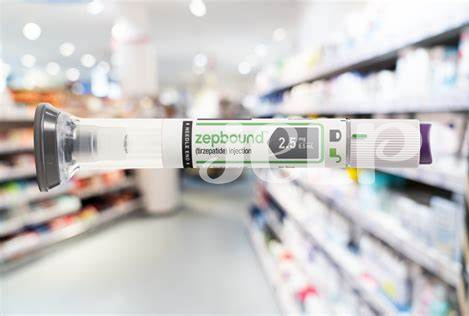
Many patients describe the first weeks as a learning curve: nausea, mild stomach upset and occasional dizziness are common while the body adjusts. Both semaglutide and tirzepatide can cause gastrointestinal symptoms, usually fading over weeks with dose adjustments and eating changes. Serious reactions are rare but possible.
Injection site reactions and mild hypoglycemia can occur, especially when used with insulin or sulfonylureas. Patients with a history of pancreatitis, thyroid nodules, or severe gallbladder disease should discuss risks with clinicians; long term safety data continue to accumulate. Monitoring and gradual dosing reduces common problems.
Pregnancy and breastfeeding are not recommended while using these agents; specialists prefer options in those situations. Real world experience shows most side effects resolve after discontinuation, but patients should report persistent symptoms promptly to ensure safe, individualized treatment planning. Insurance coverage for side effect management varies widely.
Which Drug Delivers Better Weight Loss Results
At the clinic she watched the numbers on the scale tumble, a vivid reminder that biology can be redirected. Clinical trials have shown greater average weight loss with tirzepatide versus earlier GLP‑1 agonists, producing larger mean reductions and higher rates of substantial response.
Beyond averages, individual outcomes vary: dose, adherence, lifestyle, and tolerability shape results. Providers weigh rapid, larger decreases against gastrointestinal effects and cost when recommending therapy. For many motivated patients the difference can be life‑changing, but personalized goals and monitoring determine ultimate success, and long-term support matters too.
Glycemic Control: Blood Sugar Outcomes Compared

Patients often describe watching their glucose curves settle for the first time in years when therapy is optimized, and the choice of agent matters. Tirzepatide’s dual GIP and GLP-1 action amplifies insulin secretion and suppresses glucagon, which in clinical trials translated into larger average HbA1c reductions than GLP-1–only agents. Semaglutide still produces strong glycemic improvements with predictable fasting and postprandial lowering, but tirzepatide has generally shown a step ahead in magnitude.
In practice, both drugs lower fasting glucose and postmeal spikes and can push many patients below diabetic HbA1c thresholds, but individual response varies. Hypoglycemia risk remains low unless combined with insulin or secretagogues, so regular monitoring and cautious titration are key. Real-world tolerability, affordability, and comorbidities often determine which therapy delivers sustained glucose control for a given patient—discuss goals, side effects, follow-up plans and adjustments with your clinician.
Cost, Access, and Insurance Coverage Realities
Prices for injectable therapies vary widely, and early adopters of tirzepatide often face premium tags and limited discount programs.
Pharmacies, manufacturer coupons, and assistance foundations can narrow gaps, but eligibility rules and supply constraints create unpredictable out of pocket costs.
Clinics and insurers differ: prior authorizations, step therapy, and formularies decide who accesses branded options quickly.
| Plan | Typical barrier |
|---|---|
| Medicare | Prior authorization |
| Commercial | High copays |
| Manufacturer | Coupons vary |
Talk frankly with clinicians and insurers; armed patients often secure trials, samples, or lower costs through appeals and assistance programs, discounts, negotiations.
Choosing between Them: Patient Profiles and Practical Tips
Imagine a middle-aged person with type 2 diabetes and modest obesity; tirzepatide's dual GIP/GLP-1 action may better lower glucose and reduce weight, while semaglutide remains appealing for those valuing longer GLP-1 safety data and tolerability.
Clinicians should weigh efficacy, side effects, comorbidities, and injection schedule. Start low, titrate slowly, counsel on nausea and appetite changes, and arrange follow-up for glycemic and renal monitoring.
Practical choices depend on goals, tolerability, cost, and insurance; shared decision-making with clear targets enhances adherence and outcomes. Plan realistic timelines, monitor progress, and adjust therapy accordingly. NEJM tirzepatide trial FDA Mounjaro label