















 Symbicort Vs Other Inhalers: Choosing Right Treatment
How Symbicort Works Compared with Alternatives
Patients often describe sudden breathlessness as a scene that demands both immediate relief and steady control. A dual-action inhaler provides that mix: an anti-inflammatory steroid plus a fast-acting bronchodilator work together to reduce airway swelling while opening airways within minutes, so rescue and maintenance can overlap. Traditional short-acting rescue inhalers relax muscles quickly but lack inflammation control, and steroid-only inhalers reduce long‑term flare risk but don’t provide rapid bronchodilation.
Compared with long-acting bronchodilators without inhaled steroid, the combined approach simplifies regimens and may lower exacerbation rates for many patients, though individual response varies. Choice depends on severity, trigger patterns, inhaler technique and tolerance. Discussing onset time, dosing flexibility and monitoring with clinicians helps tailor therapy and weigh benefits, risks and practicalities. Real-world adherence and device preference also shape outcomes, so practical trials at home are informative for many patients indeed.
| Feature | Combined inhaler | Typical alternative |
|---|---|---|
| Onset | Rapid (minutes) | Rapid (SABA) or slower (ICS) |
| Inflammation control | Yes | Depends |
| Use pattern | Maintenance ± reliever | Separate maintenance and rescue |
Effectiveness and Symptom Control Across Patient Types

Patients differ: some have daily symptoms, others intermittent flares. Clinical trials show combination inhalers often reduce exacerbations faster than bronchodilator alone.
For many adults with asthma or COPD, symbicort combines steroid and long-acting bronchodilator to improve lung function and reduce rescue use.
Elderly patients may gain steadier control but need monitoring for side effects and inhaler technique; adolescents benefit from simpler regimens and education.
Shared decision-making, symptom tracking, and periodic lung testing help tailor treatment intensity, ensuring the chosen inhaler matches patient goals and lifestyle. Outcomes improve greatly with adherence.
Side Effects Safety Profiles and Long Term Risks
A patient I once met described relief that felt like reclaiming breath; yet every therapy carries trade-offs. For many, symbicort blends steroid and bronchodilator benefits, reducing flare frequency, but clinicians watch for oral thrush, hoarseness, and occasional tremor—symptoms that can often be managed with simple preventive steps.
Longer-term monitoring focuses on bone density, adrenal function, and growth in children; most people experience no serious harm when doses are appropriate. Shared decision-making helps balance benefits and risks, tailoring follow-up to individual needs and ensuring safe, effective use over time regularly too.
Device Usability Technique Portability and Maintenance Considerations
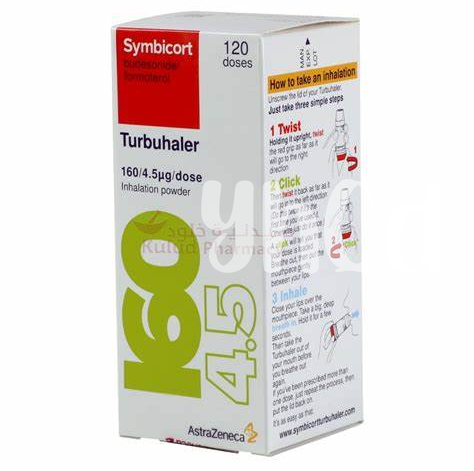
Patient experience often starts with the device itself: ergonomic shape, clear dose counter, and an intuitive mouthpiece reduce errors. Dry powder, metered dose, and breath‑actuated inhalers demand different coordination, affecting adherence and real world effectiveness.
Proper technique training matters: slow, steady inhalation for MDIs with spacer or forceful inspiration for DPI devices. Forgetting to shake, poor seal, or incorrect timing undermines delivery; clinicians should observe and correct inhalation steps regularly.
Portability influences adherence: pocket sized inhalers are convenient, but protectors and caps prevent contamination. Temperature sensitivity of some formulations and need to avoid moisture for DPIs require patients to plan storage during travel or exercise.
Maintenance is simple but essential: rinse mouthpiece weekly, check counters, and replace canisters when empty. For symbicort users, consistent cleaning, spacer use if prescribed, and periodic technique review preserve dose accuracy and outcomes over time.
Cost Insurance Coverage and Access Barriers Explained
Understanding drug pricing feels like a maze; patients face list prices, pharmacy markups, and manufacturer discounts. For many, symbicort's sticker price seems high, but copay programs and generics can alter real out‑of‑pocket costs and assistance.
Insurance plans vary widely: formularies, prior authorization, step therapy and tiered copays shape access. Patients should check drug tiers, ask clinicians for prior‑auth help, and explore manufacturer savings cards or patient assistance and nonprofit funds.
Access barriers extend beyond price: prior authorizations delay starts, step therapy forces trials with alternatives, and rural or small pharmacies may not stock preferred inhalers. Clinicians can write appeals or provide samples temporarily for coverage.
When budgeting, compare monthly out‑of‑pocket payments, ask pharmacies about generics, and consult insurers; a financial counselor or social worker can guide enrollment in assistance programs and check manufacturer rebate availability often
| Cost | Coverage |
|---|---|
| Variable | Depends |
Personalizing Treatment When Symbicort Is Preferred
Choosing Symbicort often starts with a story: someone whose symptoms flare unpredictably and needs both fast relief and better baseline control. Clinicians weigh lung function, exacerbation history, inhaler technique and comorbidities. When formoterol’s rapid bronchodilation plus budesonide’s anti-inflammatory effect match a patient’s pattern, Symbicort becomes attractive.
Personalization then means adjusting dose, inhaler frequency and assessing adherence rather than swapping devices reflexively. Shared decision making balances symptom goals, side effect tolerance and lifestyle — for example travel needs or dexterity issues that affect inhaler choice.
In practice, a timed trial with symptom diaries and objective measures (peak flow or spirometry) reveals true benefit: fewer exacerbations, less rescue use and improved quality of life. If gains appear, continue Symbicort with periodic review and technique coaching. Also discuss allergies, comorbid reflux, smoking cessation and step-down plans when stable regularly. FDA_label NHS_info