















 Kids and Singulair: Dosage, Safety, and Parental Guidance
Understanding Singulair: What Parents Should Know
When my child first faced wheezing and chronic allergies, learning how Singulair works gave us a clearer sense of control and relief.
It is a leukotriene receptor antagonist used to reduce inflammation and prevent asthma symptoms; it is not a quick-acting rescue inhaler for children.
Approved for many pediatric ages, dosing varies by age and form—chewable tablet or granules—so follow prescribing instructions carefully and monitor effects closely.
Discuss potential benefits and risks with your pediatrician, especially behavioral changes; keep a symptom diary and report worries promptly for safe care planning.
| Age | Typical Dose/Form |
|---|---|
| 6 months–5 years | 4 mg chewable/granules once daily |
| 6–14 years | 5 mg chewable once daily |
| 15 years and older | 10 mg tablet once daily |
Age Recommendations and Approved Pediatric Dosages
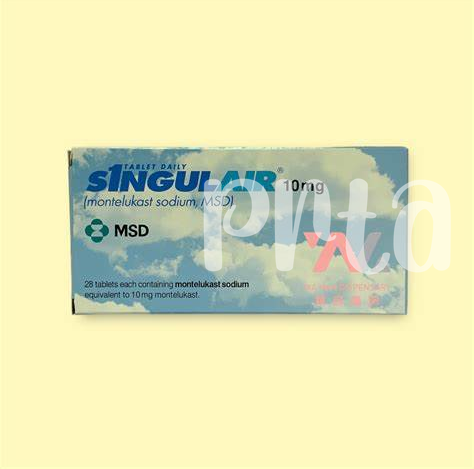
Parents often ask when a medication like singulair is appropriate for their child, and knowing age-based approvals helps cut through uncertainty. Generally, the usual schedules are 10 mg once daily for adolescents and adults (15 years and older); 5 mg chewable tablet once daily for children 6–14 years; 4 mg chewable tablet or oral granules once daily for children 2–5 years; and 4 mg granules once daily for infants 6–23 months. Remember that dosing can vary by indication and formulation, so always read the prescription label.
Talk with your child’s clinician before starting or changing treatment, particularly because singulair is not for acute asthma attacks. Keep doses consistent with the prescriber’s instructions, store tablets or granules properly, and use measured dosing tools for young children. Promptly report concerns or unexpected reactions to your healthcare provider. Also, keep an action plan.
How to Administer Singulair Safely at Home
As dusk falls, many parents find evening routines the best time to give montelukast, and following the prescriber's exact form — chewable tablet, film-coated tablet, or granules — matters. Read the label, confirm the dose, and use the granule packet with a spoonful of soft food or directly in the child's mouth within minutes. Never break scored tablets unless instructed.
Give singulair at the same time daily to build a routine; if a dose is missed, skip it and resume the next day—do not double up. Keep medications locked away and check expiration dates. Ask your pharmacist to demonstrate forms and storage, and call the prescriber as needed for any swallowing difficulties, dosing questions, or unexpected reactions.
Recognizing Side Effects and Behavioral Changes Early

When a child starts singulair, parents often watch for small changes. One mother noticed her usually cheerful son becoming unusually quiet and restless; another described vivid dreams that left her daughter tired and cranky the next day.
Common physical side effects include headache, stomach pain, fever, or cough, but it's the behavioral changes—irritability, aggression, anxiety, depression—that deserve prompt attention. Serious reactions are rare but real.
Track timing and severity: note when symptoms began, what is different, and whether school or sleep patterns changed. Share notes with the prescribing clinician; a brief diary can clarify whether benefits outweigh risks.
If intense mood shifts, self-harm talk, hallucinations, or new severe physical signs appear, stop the medicine and contact emergency services or the prescriber immediately. For mild concerns, call during office hours for advice and possible medication review. Keep the medication bottle handy.
When to Call a Doctor or Stop
As you give singulair, watch your child's mood and breathing like you watch a fever. Small changes can matter. If you notice sudden severe rash, facial swelling, difficulty breathing, or any talk of self harm, treat it as an emergency. Less urgent but important signs include persistent agitation, nightmares, hallucinations, worsening anxiety, or new sleep problems; these deserve a prompt call to the prescriber for advice and possible dose change.
Stop the medicine and seek immediate care for severe allergic or breathing problems. For behavior or mood concerns, contact the prescriber that day and keep a symptom log. Bring the medication bottle and note timing and dose when you talk to the clinic. In most mild cases the doctor will advise monitoring or a dose review; do not adjust or restart doses without professional guidance.
| Sign | Action |
|---|---|
| Severe reaction | Emergency |
Alternatives, Complementary Treatments, and Ongoing Monitoring
As parents weigh choices, consider inhaled corticosteroids or nasal steroids for persistent asthma or allergies, and oral antihistamines for seasonal symptoms. Immunotherapy may suit children with specific allergic triggers. Discuss potential benefits and risks with your child’s clinician, tailoring treatment to symptom severity and lifestyle while keeping nonpharmacologic measures in play.
Monitor mood and sleep closely, keep a symptom diary, and schedule regular follow-ups to reassess therapy. If behavioral changes or worsening symptoms occur, seek medical review promptly; collaboration between pediatrician, allergist, and family ensures safe, effective long-term care support.
FDA — Montelukast safety communication MedlinePlus — Montelukast