















 Provigil Explained: How It Works and Uses
What Provigil Is and Who Uses It
I remember the first time a friend described the lift he felt after taking a prescribed wakefulness medication; it sounded like reclaiming hours once lost to unrelenting sleepiness. Patients report clearer focus and steadier energy.
Clinicians prescribe it for narcolepsy, residual sleepiness in treated obstructive sleep apnea, and shift work sleep disorder. Some researchers and professionals use it off‑label for concentration, but off‑label benefits remain debated among experts in practice.
Researchers aren’t certain of every mechanism, but the drug influences dopamine signaling and several other neurotransmitters related to arousal and attention. That combination appears to promote wakefulness without traditional stimulant jitter or dramatic rebound effects.
Doctors typically evaluate sleep studies, daytime impairment, and medical history before prescribing, because the medication suits specific diagnoses. Users should discuss goals, side effects, and alternative strategies to ensure safe, effective long‑term management with clinicians.
| Who | Why |
|---|---|
| Patients with diagnosed conditions | Reduce daytime sleepiness |
How Provigil Works in the Brain

Imagine the brain as a bustling city at dawn, neurons flicking streetlights on and off; provigil arrives like a conductor, nudging alert circuits awake.
It influences neurotransmitters—dopamine, norepinephrine, histamine and orexin—raising wakefulness without mimicking stimulants’ direct amphetamine action. This modulation supports daytime wakefulness while avoiding the jittery peaks of classic stimulants in many users.
Patients often report clearer thinking and reduced sleep pressure, though effects vary and timing matters; scientists continue studying precise targets to optimize benefit and minimize side effects. Discuss risks with a clinician before starting treatment daily.
Medical Conditions Commonly Treated with Provigil
Clinicians often reach for provigil when patients struggle with excessive sleepiness that impairs daily life. It has a well-established role in narcolepsy, where sudden sleep attacks demand reliable wakefulness. It’s also commonly prescribed for obstructive sleep apnea-related daytime drowsiness when CPAP doesn't fully resolve symptoms. Shift work disorder, which disrupts normal sleep patterns, is another frequent indication — patients describe regained focus and steadier routines after stabilization on the medication daily.
Beyond approved indications, clinicians sometimes consider this agent off-label for persistent fatigue in multiple sclerosis and for residual sleepiness in Parkinson’s disease, always weighing benefits against risks. Provigil supports wakefulness but doesn’t cure underlying sleep disorders; comprehensive evaluation and adjunct therapies remain essential. Regular follow-up helps tailor dose, screen for side effects, and ensure the treatment adds meaningful functional improvement rather than merely masking symptoms regularly over weeks and months.
Dosing, Timing, and Real-world Use Tips
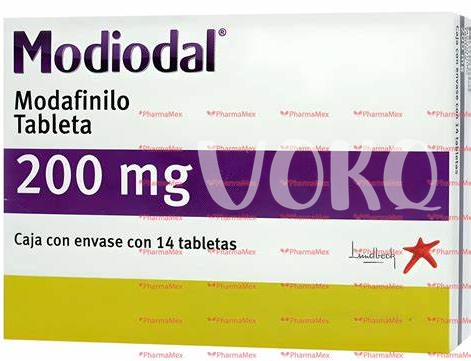
Morning routines often begin with a single tablet, as many patients find provigil most effective on waking. Start low, follow your prescriber's plan, and note how alertness changes over days.
Timing matters: take doses early to avoid nighttime insomnia; split schedules exist for shift work. Maintain consistent timing to stabilize effects.
Real-world tips include tracking sleep, avoiding alcohol, and discussing other medications with your clinician. Small adjustments — diet, exercise, brief naps — can amplify benefits.
Report side effects promptly and never adjust dose without advice; thoughtful use optimizes function and safety.
Potential Side Effects, Risks, and Interactions
Taking provigil can feel empowering, sharpening focus and lifting fog, but it also introduces trade-offs. Knowing what might emerge—small sleep shifts, appetite changes, or mood swings—lets users notice patterns and report concerns early to clinicians.
Serious reactions are uncommon but important: increased heart rate or blood pressure, rare allergic rashes, and new or worsening anxiety, agitation, or hallucinations. Immediate medical attention should follow sudden or severe neurologic or cardiac symptoms.
Provigil interacts with several medications: certain antidepressants, oral contraceptives, and drugs metabolized by liver enzymes can have altered levels. Shared stimulant effects may increase insomnia and blood pressure; always review full medication lists with prescribers.
Minimizing risks means starting at the lowest effective dose, tracking sleep and mood, avoiding alcohol, and reporting any skin reactions or chest discomfort. Pregnant or breastfeeding people should discuss alternatives; shared decision-making improves safety.
Legal Status, Prescription Rules, and Accessibility
Across countries, provigil is a prescription-only stimulant with controlled-substance status in several jurisdictions, meaning physicians must document indications before prescribing. In the United States modafinil is classified as a Schedule IV medication; pharmacies typically require a valid prescription and may verify identity. Other countries vary: some restrict it tightly to sleep clinics, while generics and differing regulations influence availability and price, which affects who can access treatment.
Patients often face hurdles: insurance may deny coverage for off-label uses, international travel can trigger customs seizure without documentation, and online markets carry legal and safety risks. Clinicians, pharmacists, and regulators balance misuse concerns against therapeutic benefit, so anyone considering provigil should consult a prescriber, keep records of diagnosis and dosing, and use reputable pharmacies. Check national registries for regional specifics. PubMed review DailyMed: modafinil