












 Ivermectin Myths and Facts: Evidence-based Review
Origins of Ivermectin and Its Approved Uses
A serendipitous discovery in the 1970s transformed veterinary and human medicine: researchers isolated a powerful antiparasitic compound from soil bacteria.
Developed into ivermectin, it proved revolutionary against river blindness, lymphatic filariasis, and multiple animal parasites, saving millions of lives and livelihoods.
Regulatory approvals followed rigorous trials; formulations and dosing differ by indication, with oral tablets approved for humans and several veterinary formulations for animals.
Understanding its proven uses frames current debates and helps separate evidence-based medicine from speculation, guiding responsible clinical practice, shaping global guidelines and national treatment programs effectively.
| Year | Milestone |
|---|---|
| 1975 | Discovery from soil bacteria |
| 1980s | Human approvals for onchocerciasis |
How Misinformation Spread through Social Media Anecdotes

A single viral post can reshape public understanding overnight. When someone posts a vivid anecdote about recovery, readers often accept it as proof because stories are emotionally persuasive and easy to share. Social algorithms amplify sensational narratives, rewarding engagement over accuracy and creating echo chambers.
Influencers and private groups accelerate spread by reposting personal testimonials without context or verification. These anecdotes often omit key details — timing, other treatments, or placebo effect — yet they masquerade as evidence. Repetition across platforms builds perceived consensus, pressuring individuals to act based on noise rather than data.
Countering this requires clear, empathetic communication from trusted sources and visible links to peer‑reviewed research. Explaining why anecdotes about ivermectin aren’t equivalent to controlled trials helps restore proportion, while platform literacy empowers readers to question sources before accepting dramatic claims. Seek multiple perspectives and reliable guidance.
Statistical Evidence: Clinical Trials and Meta-analyses Reviewed
Early clinical investigations of ivermectin read like a puzzle: small, heterogeneous trials and anecdotal reports suggested faster viral clearance in some cases, yet many lacked randomization, placebo controls, or consistent endpoints.
Calibrating expectations required larger, well-designed randomized controlled trials. Several such trials, conducted across diverse settings, did not demonstrate statistically significant reductions in hospitalization, progression to severe disease, or death. When pooled, high-quality meta-analyses reached similar conclusions.
That said, debate persisted because inclusion of small, lower-quality studies in some reviews tilted results toward benefit; removing those studies neutralized the effect. The best current guidance emphasizes relying on living systematic reviews and guideline panels that prioritize randomized evidence when advising clinicians and the public in context.
Safety Profile: Dosing Toxicity and Drug Interactions
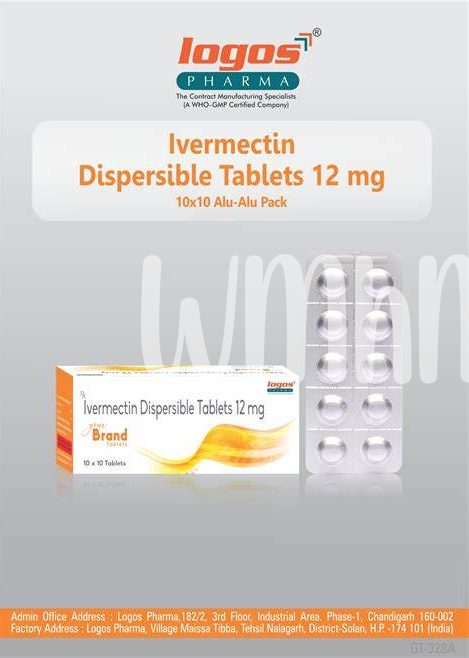
In clinics I’ve seen patients ask about ivermectin as a quick fix; used correctly, it’s generally safe at approved doses, typically a single oral dose of 150 to 200 micrograms per kilogram for many parasitic infections.
Exceeding recommended doses; common when people use veterinary products; can cause nausea, vomiting, hypotension, confusion, ataxia and in severe cases seizures or coma due to central nervous system penetration.
Ivermectin is metabolized primarily by CYP3A4 and is a P‑glycoprotein substrate, so co‑administration with strong CYP3A4 or P‑gp inhibitors (for example, azole antifungals, macrolide antibiotics, or ritonavir) can raise blood levels and increase risk of toxicity.
Consult clinicians or pharmacists before use; seek urgent care for neurologic or worsening symptoms.
Veterinary Use Versus Human Use: Key Differences
On a farm tour a physician and a veterinarian debated ivermectin’s origins; the scene highlights why context matters. One used measured clinical doses as an example, the other emphasized formulations for livestock. Their conversation illustrates stark differences in concentration, purity, and intended administration.
Human formulations are regulated with specific strengths and pharmacokinetic data, while veterinary products often carry higher concentrations and excipients unsuitable for people. Misusing animal ivermectin can lead to overdose, contaminants, or harmful interactions; always confirm source, form, and dose.
Practical takeaway: never substitute veterinary ivermectin for prescribed human treatments; consult clinicians and pharmacists. Clear labeling, appropriate dosing, and regulation protect patients and guide safe communication in emergencies; always seek advice promptly
| Use | Form |
|---|---|
| Animals | High-dose |
| Humans | Regulated |
Practical Guidance: Trusted Sources and Responsible Communication
Begin by anchoring information to reputable institutions such as peer-reviewed journals, national health agencies, and established medical societies. Prioritize original studies and systematic reviews rather than social media summaries. Also check publication date and errata or updates to guidance.
Evaluate claims by checking study design, sample size, endpoints, conflict of interest statements, and whether results have been replicated. Use critical tools like risk-of-bias assessments and context. Ask your clinician about evidence and applicability to your situation today.
Communicate responsibly: explain uncertainty, correct clear errors calmly, and point people to trustworthy summaries. When sharing, cite sources and emphasize clinical advice rather than treatment claims. For reliable information and regularly updated guidance see WHO FDA.