











 Low-dose Colchicine: Benefits Beyond Gout
How Tiny Doses Calm Systemic Inflammation Safely
A small, steady tablet can shift a body’s inflammatory tone without the heavy-handed effects of immunosuppressants. At low doses, colchicine selectively blunts neutrophil activation and assembly of inflammasome complexes, lowering cytokine release and vascular inflammation while preserving broader immune defenses.
Clinical models suggest this modest pharmacologic nudge reduces systemic markers such as C-reactive protein and interleukin-6, translating into measurable anti-inflammatory effects. The benefit appears dose-dependent yet achievable at fractions of gout regimens, minimizing systemic toxicity.
Long-term low-dose regimens have shown good tolerability; most adverse events are mild gastrointestinal symptoms. Careful attention to renal function and interacting medications preserves safety. With clinician oversight, tiny doses can offer sustained anti-inflammatory control with a favorable risk–benefit profile overall.
| Typical Low Dose | Primary Mechanism |
|---|---|
| 0.5–1 mg/day | Neutrophil modulation; NLRP3 inflammasome inhibition; reduced IL-1β |
Unexpected Cardiovascular Benefits Revealed in Clinical Studies
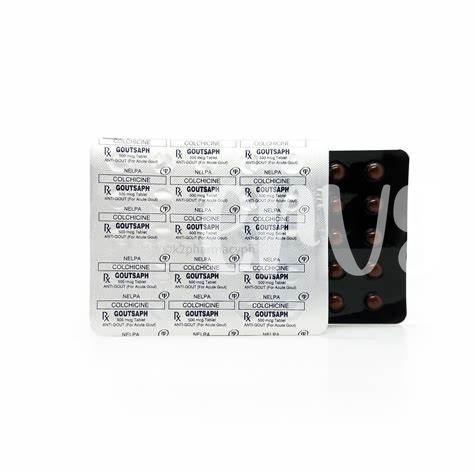
In landmark trials, low-dose colchicine lowered vascular inflammation and unexpectedly cut recurrent ischemic events, prompting cardiologists to reconsider anti inflammatory strategies after myocardial infarction and mortality.
Large randomized studies showed modest absolute risk reductions in major cardiovascular events, including stroke and need for revascularization, with safety comparable to placebo in most populations studied over several years.
Clinicians now weigh anti-inflammatory adjuncts like colchicine against bleeding risks, integrating patient selection and long-term follow-up into practice while awaiting broader guideline endorsements and cost considerations in diverse health systems.
Success Treating Recurrent Pericarditis: Real World Evidence
After months of relapsing chest pain and repeated steroid courses, many patients find lasting relief when low-dose colchicine is added to therapy. Real-world cohorts mirror trial results: recurrence rates fall, symptom-free intervals lengthen, and reliance on corticosteroids and hospital visits decreases. Clinicians report faster resolution of inflammatory signs and fewer flares, outcomes attributed to colchicine’s suppression of inflammasome-driven inflammation.
Registries and observational series including long-term follow-up show sustained and clinically significant benefit, acceptable tolerability, quality-of-life gains. Gastrointestinal upset is the most common complaint, usually manageable with dose adjustment. These pragmatic data complement randomized trials, inform duration strategies, and support colchicine as a steroid-sparing option in this condition, while highlighting the need for vigilance about drug interactions and renal dosing. Collectively these findings translate into fewer hospital admissions and quicker return to normal activities, emphasizing multidisciplinary care and individualized plans overall.
Practical Dosing, Safety Signals, and Side Effects
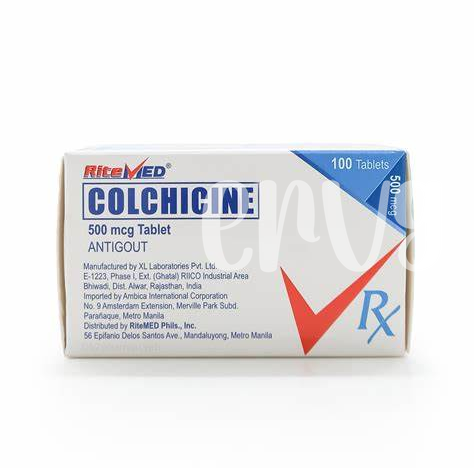
Clinicians often start with low-dose colchicine regimens that prioritize tolerability; small nightly doses can blunt inflammation while minimizing toxicity. Patients report symptom relief within weeks, supporting cautious escalation only when needed.
Common adverse effects are gastrointestinal—nausea, diarrhea, abdominal cramping—and usually resolve after dose reduction. Serious toxicity is rare but linked to overdose, renal impairment, or interacting drugs, so vigilance matters.
Baseline renal and hepatic assessment, medication review for CYP3A4 or P-gp inhibitors, and patient counseling about symptoms are simple safeguards. Regular follow-up ensures benefits outweigh risks and prompt reporting encouraged.
Avoiding Harm: Interactions, Contraindications, Monitoring Essentials
A cautious narrative helps clinicians preserve benefit while preventing harm. Colchicine is potent at low doses, but interactions with CYP3A4 and P‑glycoprotein inhibitors can raise blood levels and cause toxicity; a medication review before starting is essential.
Renal or hepatic impairment, advanced age, and concomitant strong inhibitors often necessitate dose reduction or avoidance, and baseline renal and liver tests plus periodic blood counts guard against adverse effects.
| Interacting Drug/Class | Risk/Recommendation |
|---|---|
| CYP3A4 inhibitors (clarithromycin, azoles) | Avoid or reduce colchicine |
| Statins | Monitor for myopathy |
Watch for gastrointestinal symptoms, neuropathy, or muscle weakness; co‑prescription with statins increases myopathy risk. Educate patients to report side effects promptly, adjust dosing for comorbidities, and consult reliable interaction resources if uncertainty arises. Regular review of concomitant medicines, patient education, and pharmacist consultation prevent most avoidable serious events in practice.
Research Horizons: Repurposing, Trials, and Access Challenges
Laboratory insights have rekindled interest in low-dose colchicine, showing inflammasome inhibition and endothelial benefits at microdoses. Researchers now envision repurposing it across chronic inflammatory conditions, while cautiously balancing mechanistic promise with clinical validation needs urgently.
Large randomized trials have unexpectedly shown cardiovascular event reduction with low-dose colchicine, prompting new multicenter studies. Yet heterogeneity in populations and endpoints mandates cautious interpretation and targeted trials to confirm long-term benefit and safety outcomes.
Real-world registries and smaller studies expand indications beyond gout, notably pericarditis and atherosclerosis. Funding gaps and patent limitations slow large-scale repurposing, so public-private partnerships and pragmatic trial designs are essential to enable affordable clinical translation.
Equitable access will be crucial if efficacy is confirmed; colchicine is inexpensive but supply, guideline adoption, and clinician education vary globally. Coordinated regulatory guidance, safety monitoring frameworks, and clear prescribing pathways will accelerate responsible implementation.
https://pubmed.ncbi.nlm.nih.gov/?term=colchicine https://www.ncbi.nlm.nih.gov/pmc/?term=colchicine