















 Clonidine Vs. Guanfacine: Choosing the Right Option
How Each Medication Works: Mechanisms and Effects
On quiet afternoons clinicians compare clonidine and guanfacine like two siblings with shared DNA but different temperaments. Both are centrally acting alpha-2 adrenergic agonists that reduce sympathetic outflow, lowering blood pressure and calming hyperarousal. Clonidine is more potent at short-term receptor activation and crosses the blood–brain barrier readily, producing quicker sedative and hypotensive effects.
Guanfacine favors selectivity for the alpha-2A subtype, promoting prefrontal cortical regulation of attention and impulse control with fewer peripheral cardiovascular effects, making it useful in ADHD. Both drugs modulate noradrenergic tone and can synergize with stimulants, but dosing, onset, and side effect profiles differ: clonidine often causes more immediate sedation and rebound hypertension risk, while guanfacine offers gentler cognitive modulation overall.
| Feature | Clonidine | Guanfacine |
|---|---|---|
| Alpha subtype | Nonselective | Alpha-2A selective |
| Main effect | Rapid sedation, hypotension | Prefrontal modulation, less peripheral effect |
Clinical Uses: Approved Indications and Off-label Uses
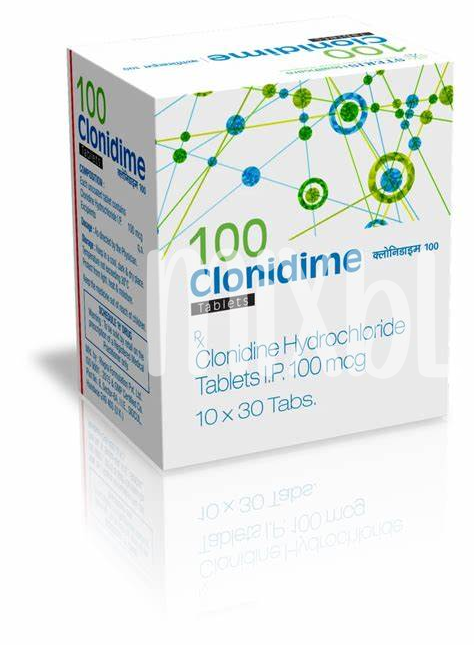
A clinician remembers the first time clonidine calmed a severely agitated child; that moment crystallizes how medications extend beyond labels. Originally developed for hypertension, these agents now serve varied needs, offering symptomatic control where stimulants or antihypertensives fall short.
For ADHD, behavioral dysregulation, and sleep disturbances, evidence supports targeted use, frequently as adjunctive therapy. In adults and pediatrics, formularies list both approved and off-label roles: migraine prophylaxis, opioid withdrawal mitigation, and tic disorder reduction feature in practice despite varying evidence strength.
Careful patient selection, monitoring, and dosing adjustments help balance benefit and risk; clinicians weigh comorbidities, age, and concomitant drugs to personalize treatment plans and optimize outcomes. Shared decision-making remains central to responsible prescribing now.
Dosing Strategies, Formulations, and Administration Differences
Clinicians often start low and go slow, tailoring titration to symptom response and tolerability. Available formats include immediate release tablets, extended release preparations and transdermal patches that change onset and duration; clonidine patch offers steady delivery useful for nighttime symptoms. Timing, age, weight, and organ function guide adjustments in practice.
Practical administration balances efficacy with daily life: once a day extended products simplify school routines while immediate release may allow targeted afternoon dosing for tics or sleep problems. Monitor blood pressure and heart rate during changes and warn about rebound hypertension if stopped abruptly. Discuss interactions with antihypertensives and sedatives, and advise caregivers about dose timing to reduce daytime drowsiness and improve adherence long term.
Side Effect Profiles, Risks, and Safety Considerations
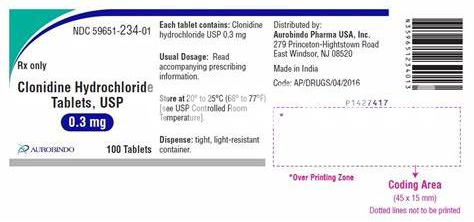
A useful approach is to imagine how the drugs change the nervous system’s volume: clonidine often lowers that stereo with noticeable sedation, dry mouth, and lightheadedness as the most common effects. Clinicians watch blood pressure and pulse closely because bradycardia and orthostatic hypotension can occur, especially when doses are escalated or combined with other antihypertensives. In children, somnolence and irritability are frequent, so dosing times and school impact should guide planning.
Safety planning must include counsel about abrupt discontinuation: stopping clonidine suddenly can provoke rebound hypertension and anxiety, so tapering is essential. Baseline cardiac assessment is prudent for patients with conduction disease, and medication interactions — particularly with sedatives, beta-blockers, and some antidepressants — increase risk. Pregnancy and breastfeeding considerations demand specialist input, and regular follow-up ensures dose adjustments balance benefit with daytime functioning and cardiovascular safety for many patients.
Comparative Efficacy in Adhd, Blood Pressure, Children
Clinicians weighing options often note subtle differences: one agent can cause more sedation, another acts more selectively, and real-world outcomes depend on age and symptom profile. In ADHD, trials show modest efficacy differences; clonidine frequently helps hyperactivity and sleep, while alternatives may offer clearer attention gains.
For blood pressure and children, both drugs lower readings but require tailored dosing and monitoring. Shared decision making and monitoring cognitive, cardiac, and growth effects guide choice, especially when combining treatments or treating very young patients long term.
| Use | Notes |
|---|---|
| ADHD | Clonidine aids sleep/hyperactivity |
| BP | Both lower pressure; titrate |
Choosing Based on Patient Factors and Drug Interactions
Imagine a clinician weighing age, comorbidities, and activity demands when choosing therapy; older or frail patients need lower hypotension risk and monitoring.
Renal impairment, pregnancy, and adherence predict preference: transdermal versus oral forms, and dosing intervals affect real-world success in pediatric and adult populations.
Drug interactions drive choice: combine cautiously with antihypertensives, CNS depressants, and agents affecting sympathetic tone to avoid additive sedation or severe hypotension episodes.
Tailor choice around interactions, monitoring plans, and patient goals; consult reputable sources for dosing nuances and safety, plus discussion. Clonidine — MedlinePlus Clonidine — StatPearls