















 Atarax for Insomnia: Does It Really Help?
How Antihistamine Sleep Aids Work in Your Brain
I used to fight sleepless nights until I learned how antihistamine sleep aids change brain chemistry—blunting histamine signals that normally keep you alert, nudging circuits toward drowsiness and reduced wakefulness.
That shift feels like turning down arousal’s volume: brief calm arrives, but memory consolidation and next-day alertness may suffer if those wakefulness pathways remain suppressed over many nights and mood.
Doctors often recommend occasional use for short-term relief; long-term dependence, tolerance, and anticholinergic effects are concerns, so discuss risks, timing, and safer sleep strategies with your clinician before regular use.
| Target | Effect |
|---|---|
| Histamine H1 | Drowsiness |
Short Term Relief Versus Long Term Risks
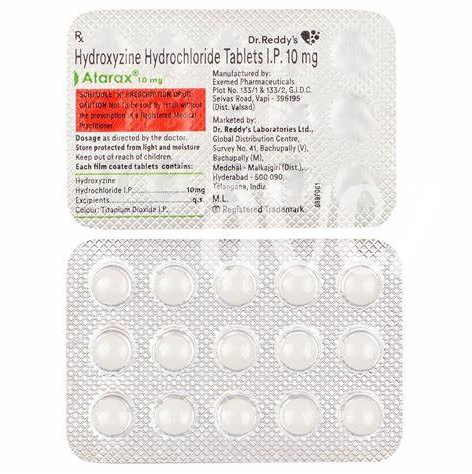
At bedtime, many reach for atarax as a quick fix — its antihistamine action often brings sleep within hours, easing anxious thoughts and breaking a restless cycle. Short courses can restore a night of rest and improve daytime function, and clinicians sometimes prescribe it for situational insomnia or acute anxiety when therapy or behavioral changes are pending.
However, regular use can bring tolerance, morning grogginess, memory problems and an anticholinergic load that research links to cognitive decline in older adults. Rebound insomnia and drug interactions are real concerns; because of these risks, clinicians recommend short-term courses only and favor nonpharmacologic treatments like CBT-I or safer medications when chronic insomnia persists and discuss alternatives with your prescriber.
Common Side Effects You Need to Watch for
A single dose of atarax can sound like a quick fix, but its side effects can be immediate: heavy drowsiness, slowed reaction time, dry mouth, blurred vision and lightheadedness. Younger adults may feel groggy the next day; older adults face higher risks of falls, confusion and memory issues.
Watch for urinary retention, constipation and agitation, and never mix with alcohol or other sedatives. Seek medical help for breathing difficulty, fainting or sudden mood swings. Long‑term use can cause tolerance, daytime impairment and increased fall risk, so reassess if problems persist.
Comparing Alternatives: Safer Options for Better Sleep

When insomnia hits, many reach for antihistamines like atarax, seeking quick relief. Yet cognitive behavioral therapy for insomnia (CBT‑I) treats root causes and outperforms medications in long‑term sleep quality.
Relaxation techniques — progressive muscle relaxation, deep breathing, and mindfulness — can retrain the nervous system without tolerance or rebound effects. Regular sleep schedules and light exposure strengthen circadian rhythms.
Melatonin can help shift sleep timing with a favorable safety profile when used short term; lower doses often work best. For persistent cases, newer prescriptions such as low-dose doxepin or orexin antagonists may be safer than over-the-counter antihistamines.
Combining behavioral strategies with brief pharmacologic support under medical guidance offers the best balance between effectiveness and safety.
Practical Dosing, Timing, and Interactions to Consider
At bedtime I learned to treat antihistamines like tools, not cures: start low and go slow. For adults, clinicians often suggest single doses of older antihistamines such as atarax (hydroxyzine) in the 25–50 mg range for situational sleeplessness, taken 30–60 minutes before lights-out. Sensitivity varies with age, weight, and other medicines; older adults require lower doses. Never double-dose if sleep proves elusive—stacking can amplify morning grogginess and dizziness.
Mixing atarax with alcohol, opioids, benzodiazepines, or sedating antidepressants increases breathing and cognitive risks; pharmacists can flag dangerous combinations. For chronic insomnia, behavioral approaches beat nightly antihistamine use, and periodic review avoids tolerance and anticholinergic burden. If you notice urinary retention, severe dry mouth, or confusion, stop and seek medical advice promptly. Plan activities the next day assuming possible residual drowsiness, and record all prescriptions and supplements to review with your clinician.
| Typical adult dose | When to take | Key interactions |
|---|---|---|
| 25–50 mg | 30–60 minutes before bed | Alcohol, opioids, benzodiazepines |
Real User Experiences and What Science Reveals
Many people report immediate drowsiness and a few nights of deeper sleep after taking Atarax, but anecdotes vary: some describe pronounced morning grogginess, others say the benefit fades after repeated use. Personal stories typically reflect short-term relief rather than reliable nightly improvement; tolerance and daytime sedation are common themes. Controlled studies show hydroxyzine promotes sedation by blocking H1 receptors, but high-quality evidence for long-term insomnia treatment is scarce.
When balancing anecdote and science, consult your clinician before regular use, especially if you take other depressants or have heart, liver, or elderly-related risks. Short supervised trials can reveal whether occasional dosing helps, while sleep-focused therapies and lifestyle changes offer better long-term outcomes supported by research. For reliable references, see official drug information and indexed studies. Further reading includes authoritative summaries and peer-reviewed studies linked below for context. MedlinePlus PubMed